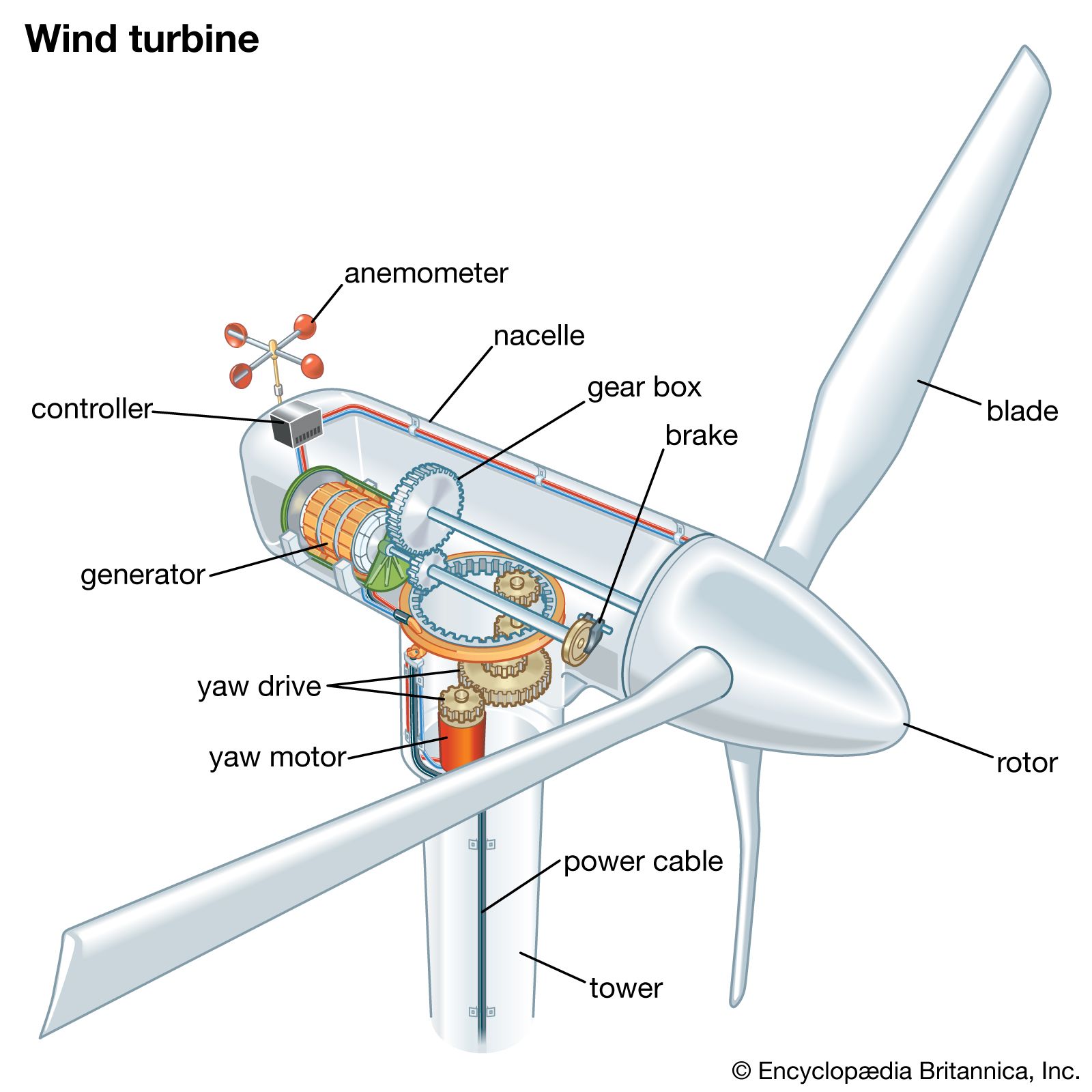
Description of a wind turbine
A wind turbine converts some of the kinetic energy of moving air into electrical energy. Wind turns the blades, which rotate a rotor c…
Articles, guides, and pillar pages across our topic clusters.
A wind turbine converts some of the kinetic energy of moving air into electrical energy. Wind turns the blades, which rotate a rotor c…
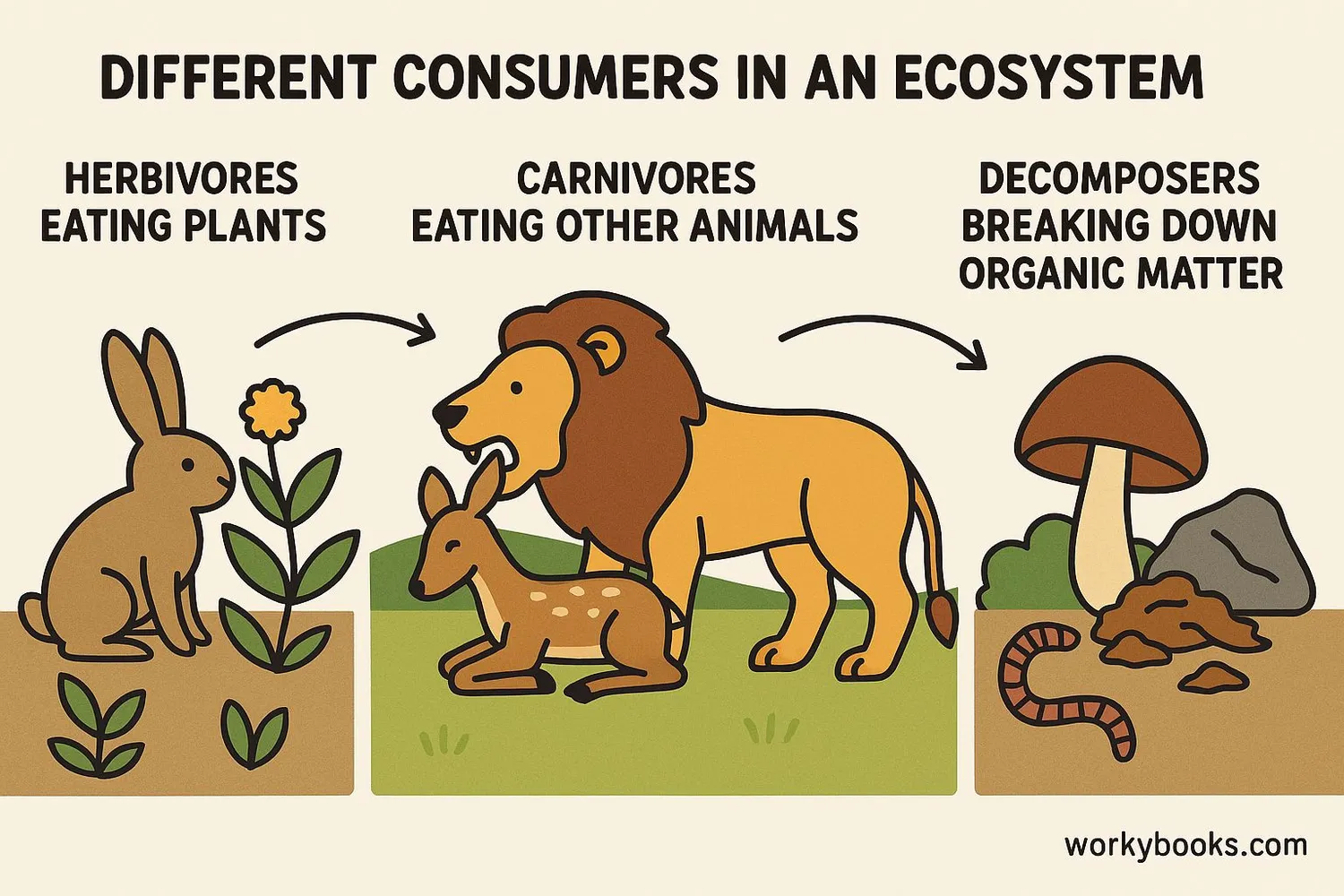
A consumer is an organism that obtains energy by eating other organisms or organic matter. Consumers are heterotrophs, unlike producer…
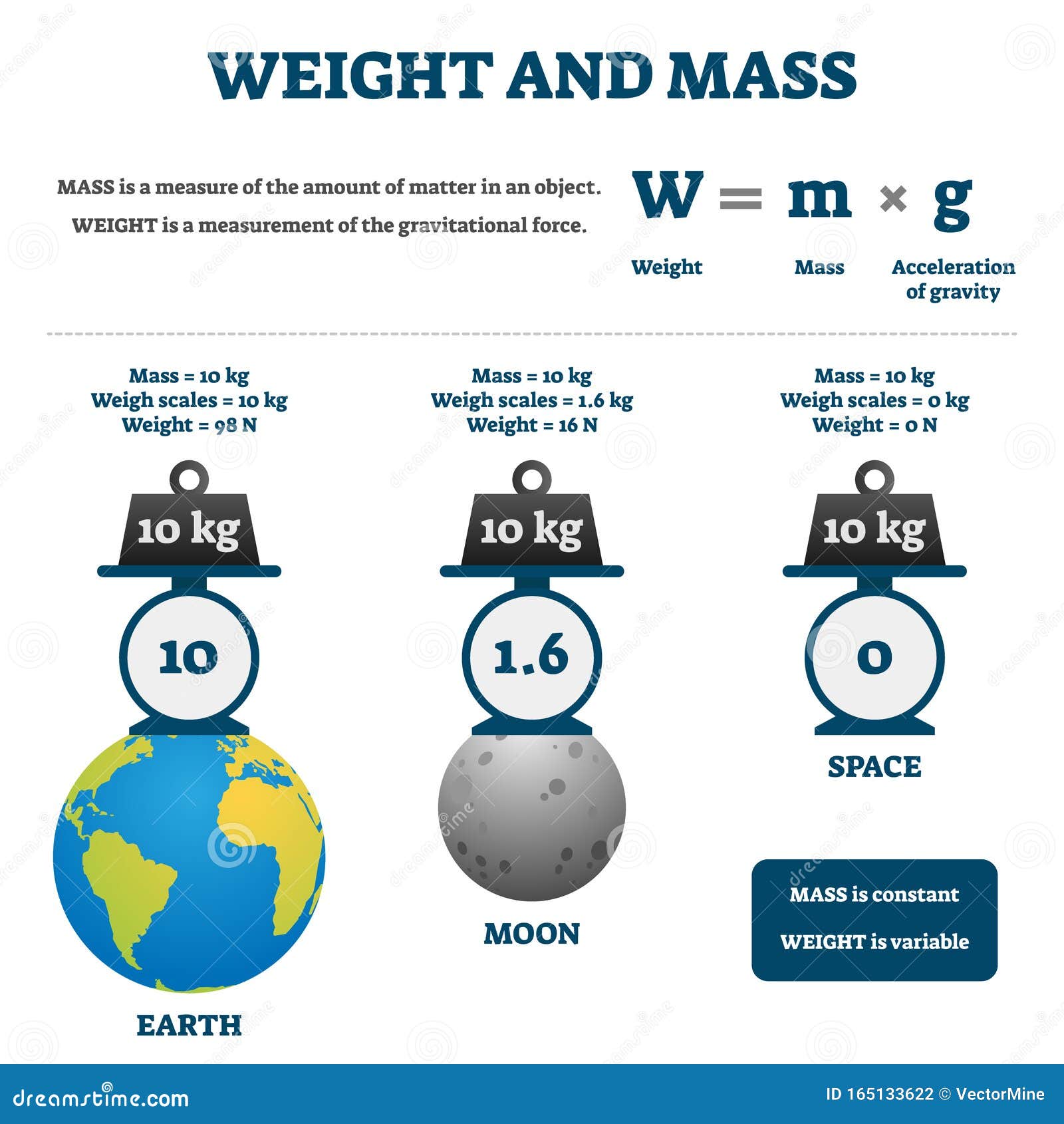
Mass describes how much matter an object contains and how strongly it resists acceleration. Gravity is an attractive interaction betwe…
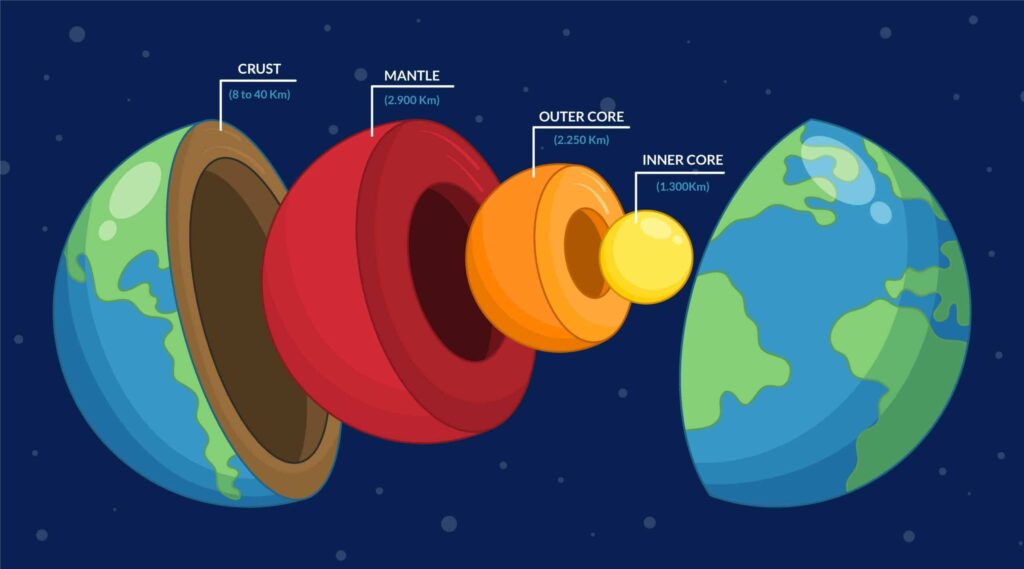
Earth’s outer core is a layer of mostly liquid iron and nickel beneath the solid mantle and around the solid inner core. It begins rou…

Yes. Mildew is a common name for certain fungi that grow on plants or other surfaces. The word is used for different groups, including…
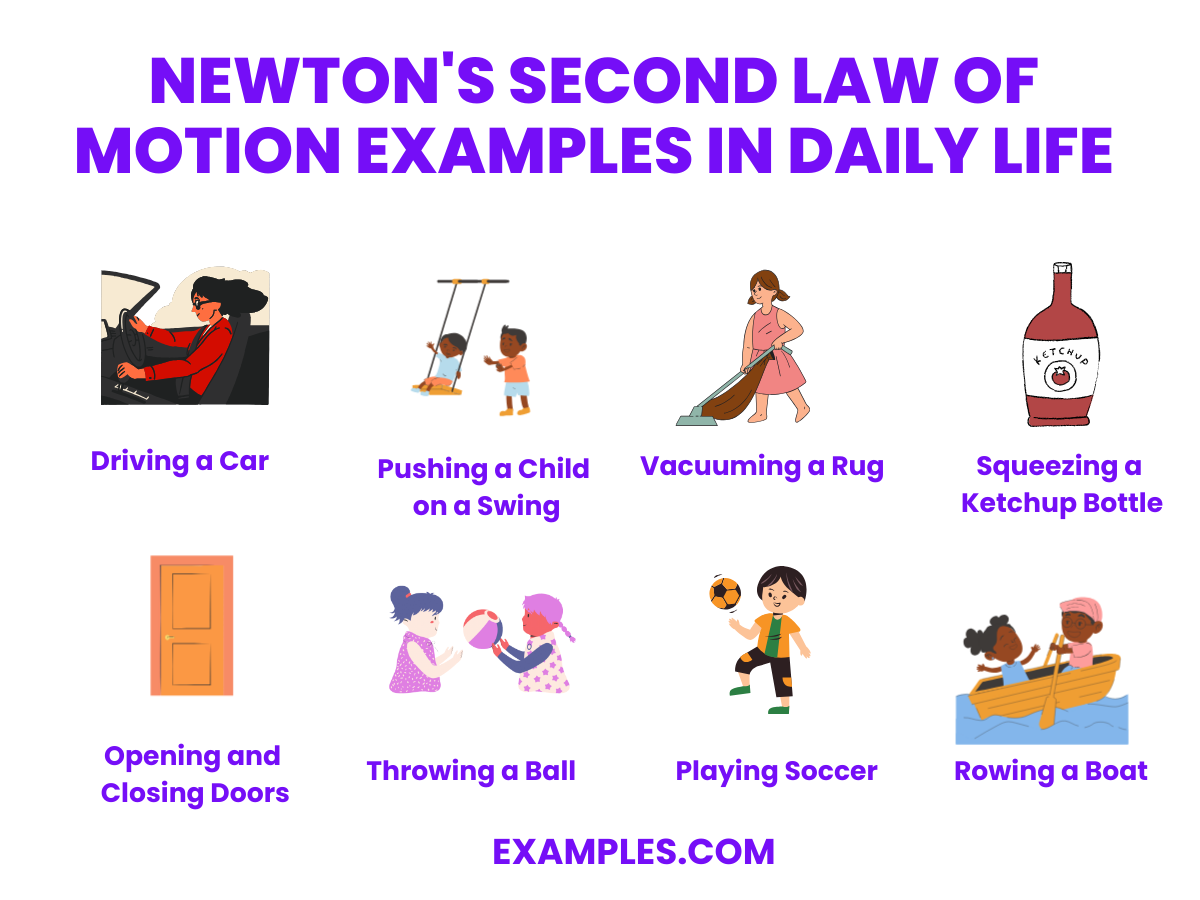
Newton’s second law relates net force, mass, and acceleration: F = ma. For a given mass, a larger net force produces greater accelerat…

A static shock happens when electric charge builds up on a surface and then moves suddenly between objects with different electric pot…
A scientific investigation often begins with a question or observation that can be explored with evidence. There is no single rigid fi…
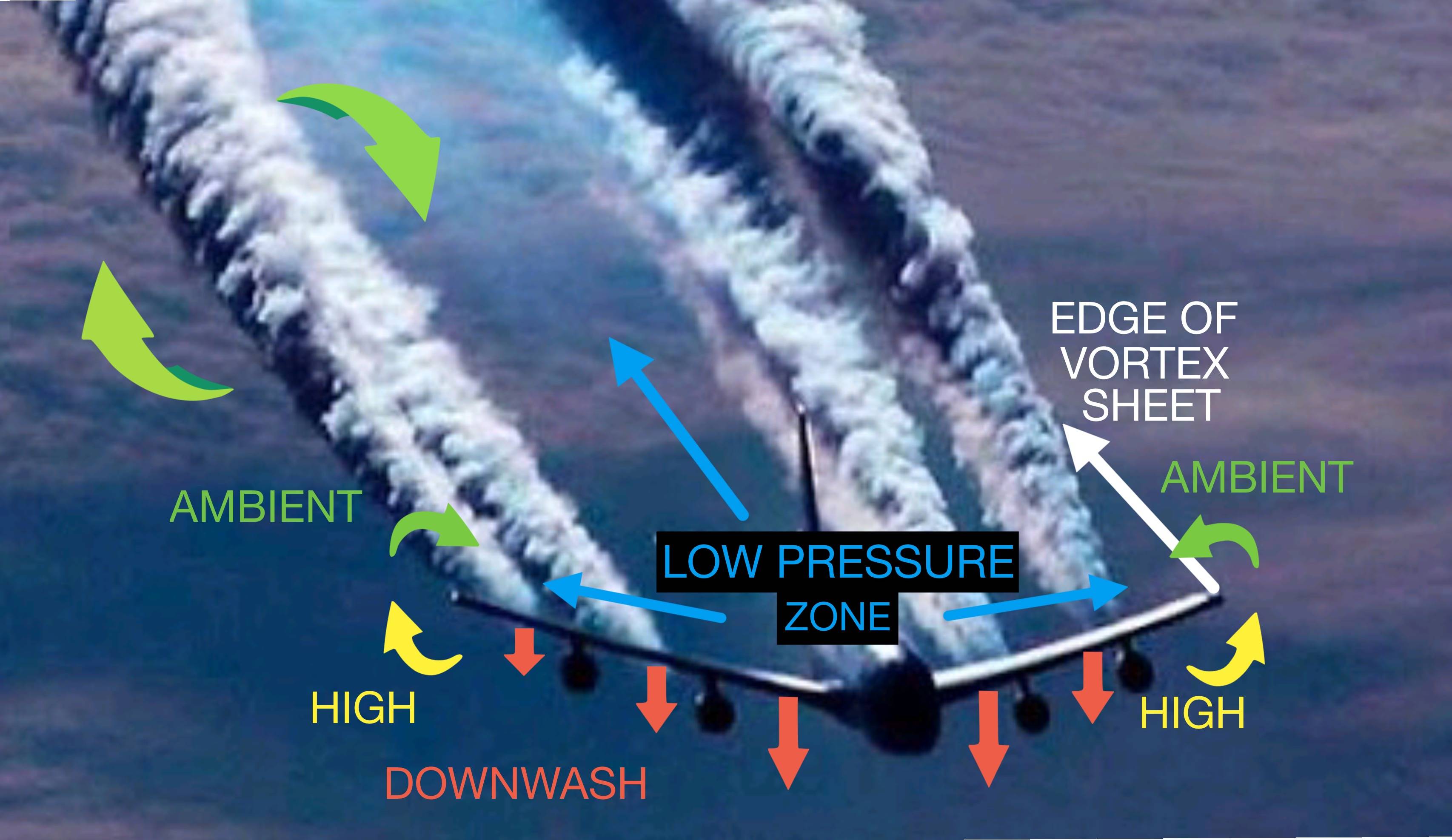
A vortex is a region of fluid flow in which motion circulates around an axis or center. Vortices occur in liquids and gases, from smal…
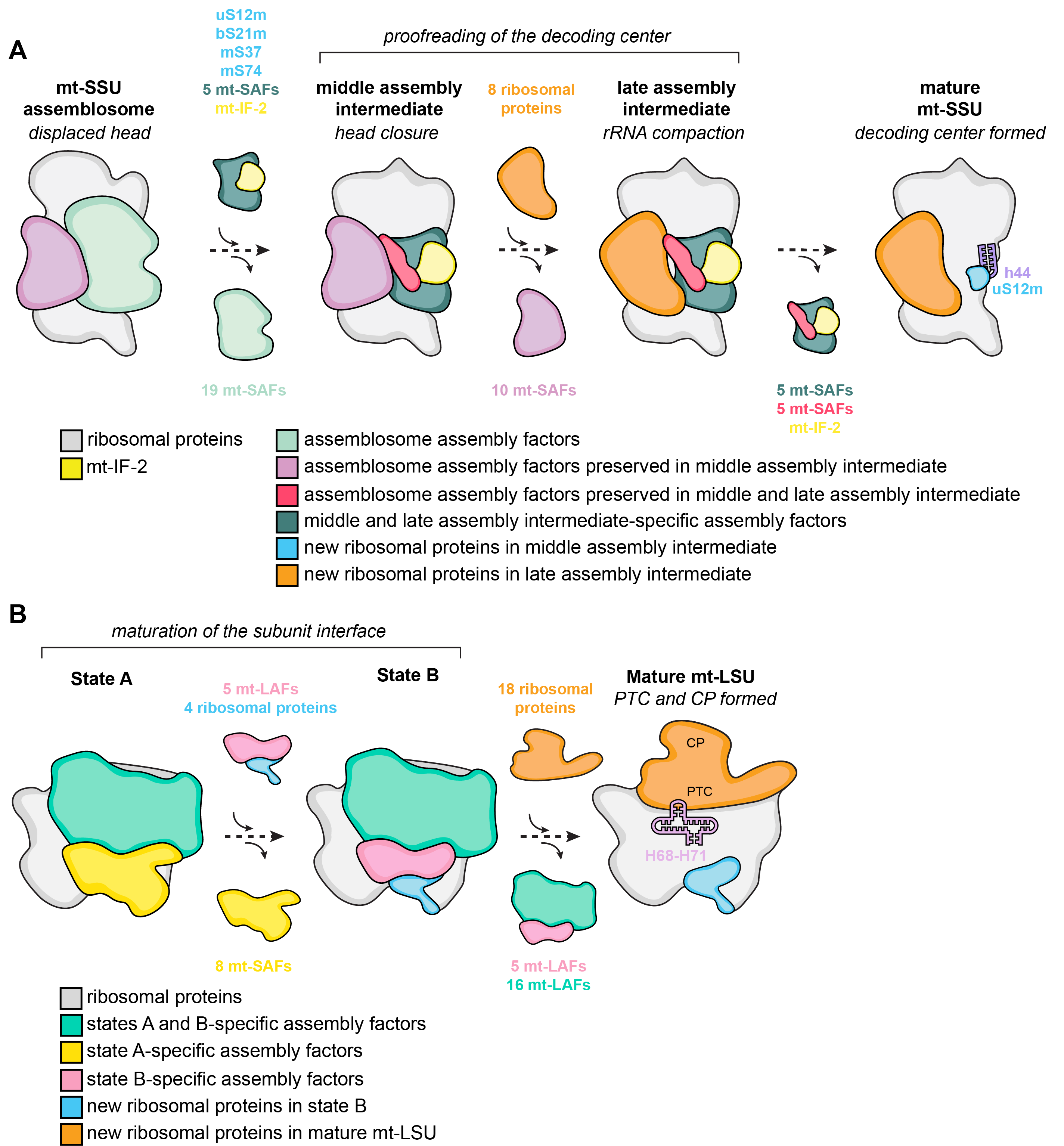
Ribosome assembly is the process by which ribosomal RNA and proteins come together to form functional ribosomal subunits. Ribosomes th…
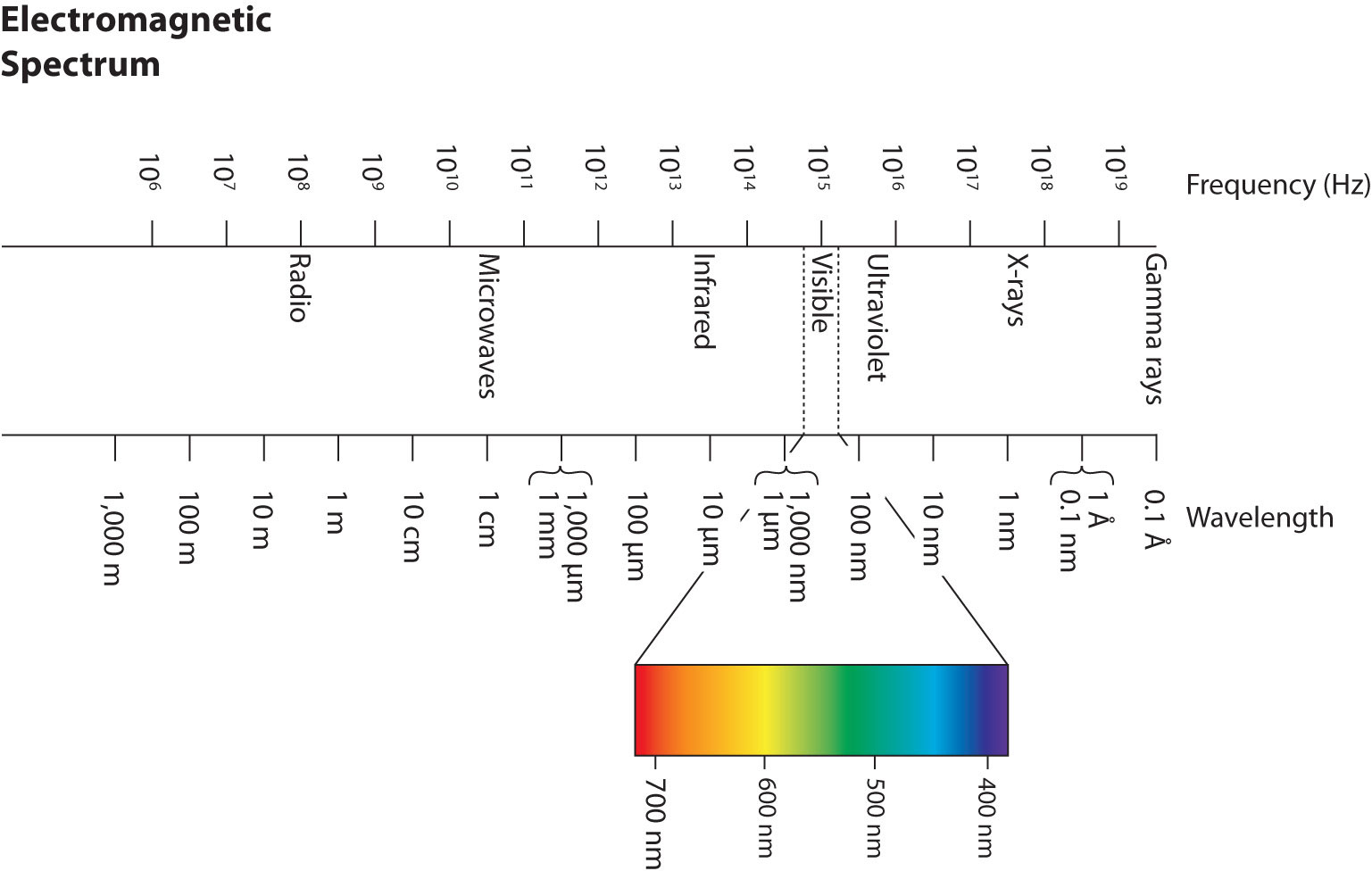
The electromagnetic spectrum includes radio waves, microwaves, infrared, visible light, ultraviolet, X-rays, and gamma rays. These are…
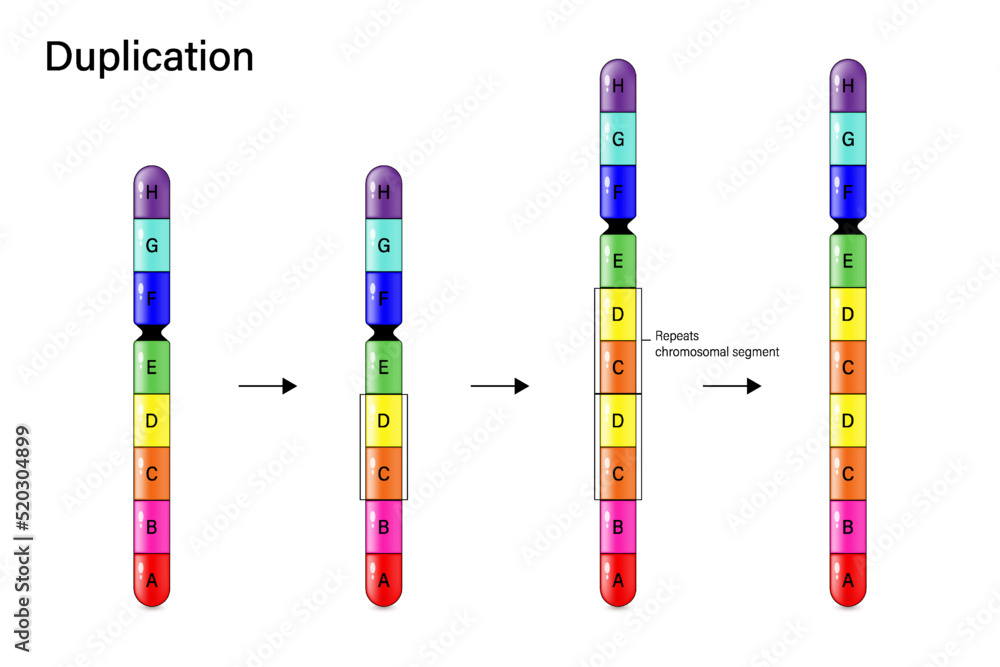
A duplication mutation occurs when a segment of genetic material is copied, leaving an extra copy of that segment. The duplicated mate…
