What are abiotic conditions
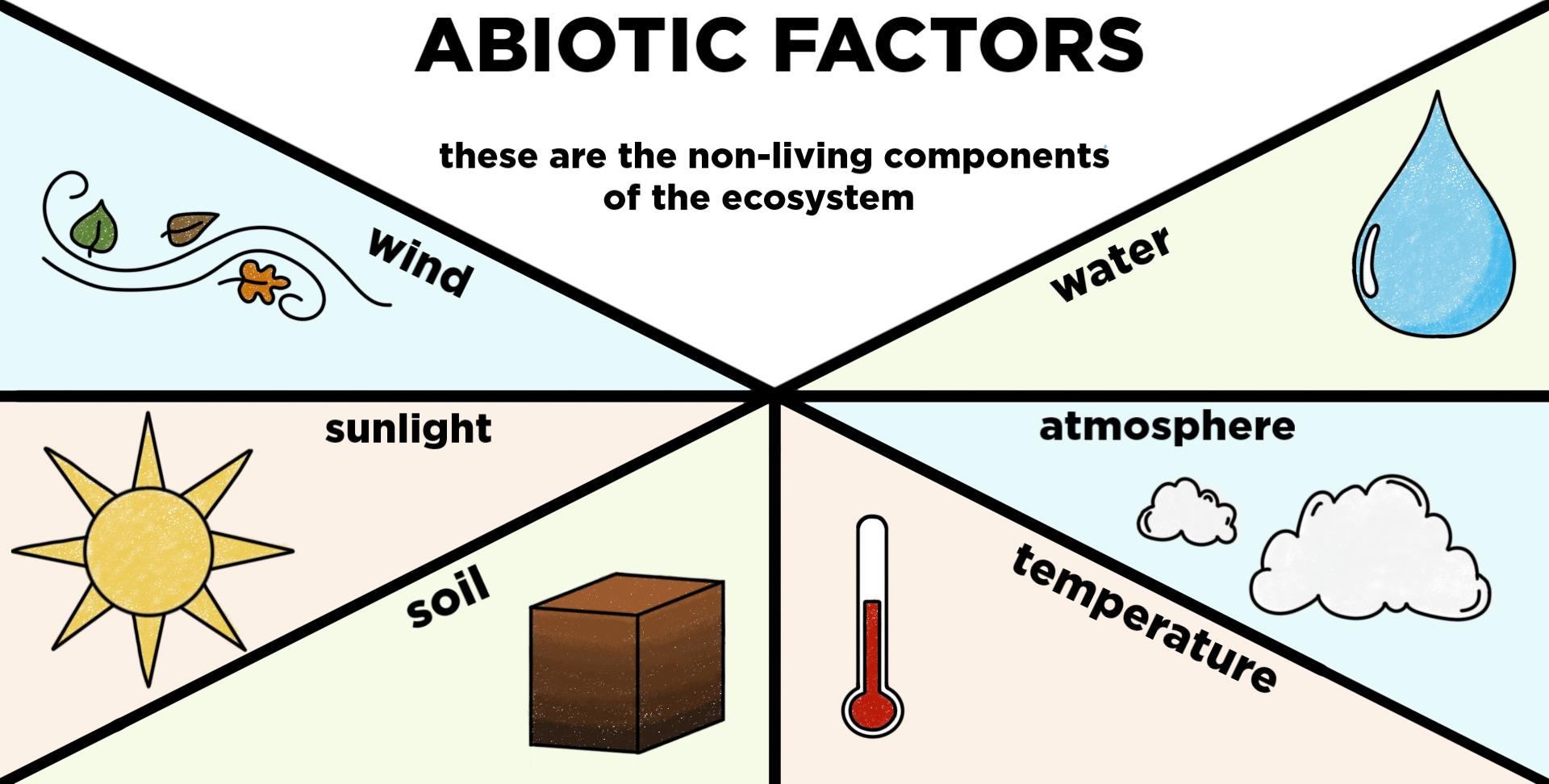
Abiotic conditions are nonliving physical and chemical features of an environment. Common examples include temperature, water availability, light, soil or substrate, salinity, pH, and nutrient levels.
How it works
These conditions can affect which organisms survive, reproduce, and occur in a place. Their effects interact: a plant’s growth may depend on light, moisture, and soil nutrients together rather than one factor alone.
Example or application
A pond’s depth, temperature, dissolved oxygen, and light penetration help shape where aquatic organisms are found. A desert’s low and irregular rainfall is a major abiotic condition, but organisms also respond to heat and soil properties.
Scope and limits
Abiotic conditions are measured in context and can vary over time. The term does not mean a condition is always harmful or that one measurement alone explains an ecosystem.
Explore the parent hub: Biology and Ecology
