India lal qila
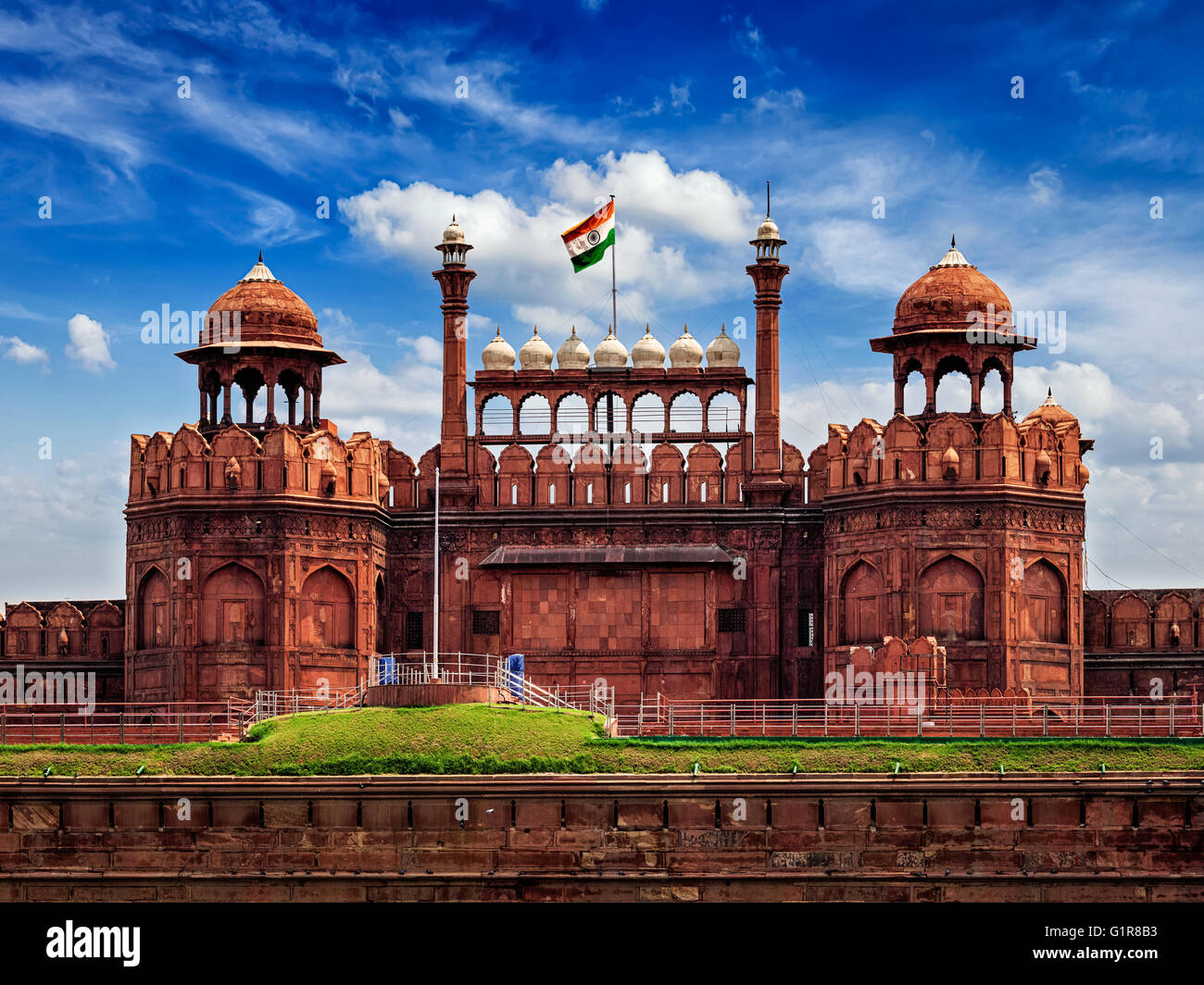
Lal Qila, or the Red Fort, is a major historic fort complex in Delhi, India. Mughal emperor Shah Jahan commissioned it in the seventeenth century as part of his new capital, Shahjahanabad.
Historical context
The fort’s red sandstone walls enclose palaces, audience halls, gardens, and other structures. Its architecture reflects Mughal design and later changes made under different rulers and governments.
Example and significance
The Red Fort became a symbol in India’s independence history. The prime minister’s annual Independence Day address is delivered from the fort’s ramparts.
Architecture and later history
The fort was built from 1638 as Shah Jahan moved the Mughal capital from Agra to Shahjahanabad. Its plan and buildings reflect imperial court life as well as military needs. Later rulers and the British altered the complex, so the site preserves several historical layers.
Interpretive limits
The complex is a protected heritage site. Access, ceremonies, and visitor rules can change, so consult current official visitor information before planning a visit.
Explore the parent hub: History, Civics and Military Reference
