Introduction:
An introduction opens a piece of writing and gives readers a reason and a route to continue. It commonly establishes the subject, purpose, and scope. Its exact form depends on whether you are writing an essay, report, guide, or personal message.
Meaning and context
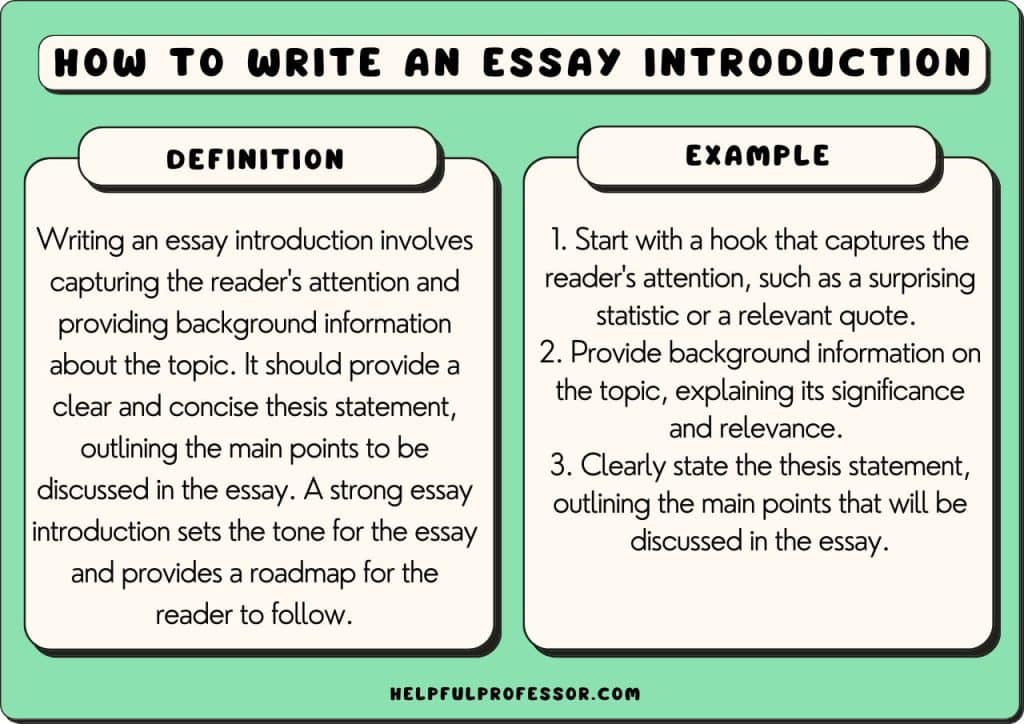
A useful introduction answers the reader’s immediate questions: what is this about, why does it matter here, and what will the text explain? It does not need a dramatic quotation or a broad claim about human history. Begin at the level of the actual subject.
Examples and usage
A guide about replacing a bicycle tube might start by identifying the problem and the task. A report might state the decision it supports. A research essay may establish a question and thesis. These openings do different work for different audiences.
What to check
An introduction should not promise material the body never delivers. Revise it after drafting the main text so its scope matches the final content. Keep detailed evidence in the appropriate body sections unless a short fact is essential to orient the reader.
Explore more: Word meanings and writing guides
