Cultural heritage.
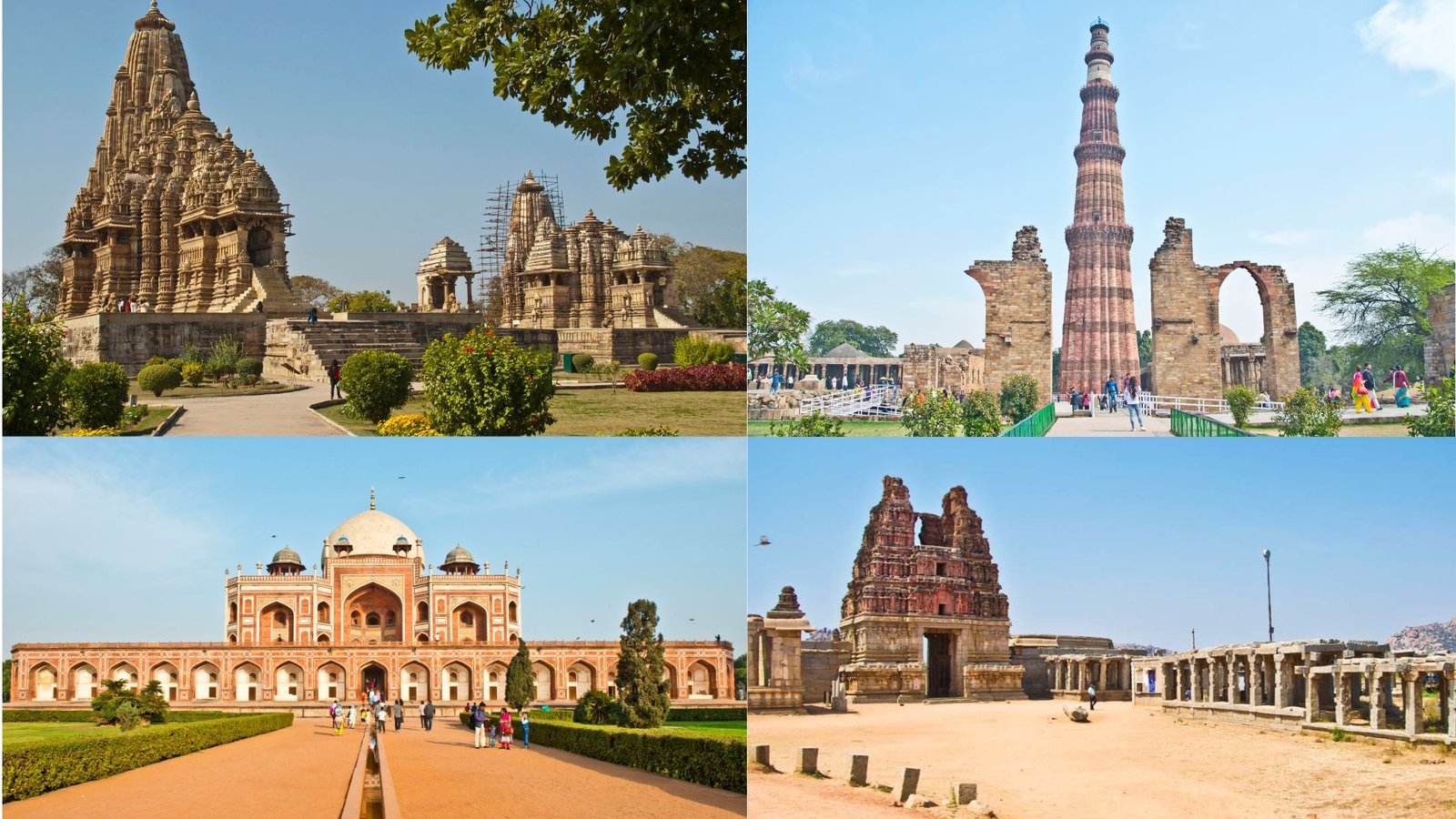
Cultural heritage includes tangible and intangible things that communities value and pass across generations. It can include buildings, archaeological sites, objects, languages, music, oral traditions, knowledge, and practices.
Historical context
Heritage is not limited to ancient monuments. Communities may preserve living traditions, foodways, crafts, celebrations, and shared memories, while also debating how these should change or be represented.
Example and significance
A historic building is tangible heritage; a traditional song or craft technique is intangible heritage. Both can connect people with place, history, identity, and collective experience.
Preserving heritage
Preservation can support education and community continuity, but it also raises questions about who has authority over an object or tradition. Repatriation, access, conservation, and the effects of tourism are common parts of heritage debates.
Interpretive limits
Cultural heritage is not fixed or universally interpreted. Communities may disagree about ownership, preservation, access, and the meaning of particular traditions.
Explore the parent hub: History, Civics and Military Reference
