Pka of an acid
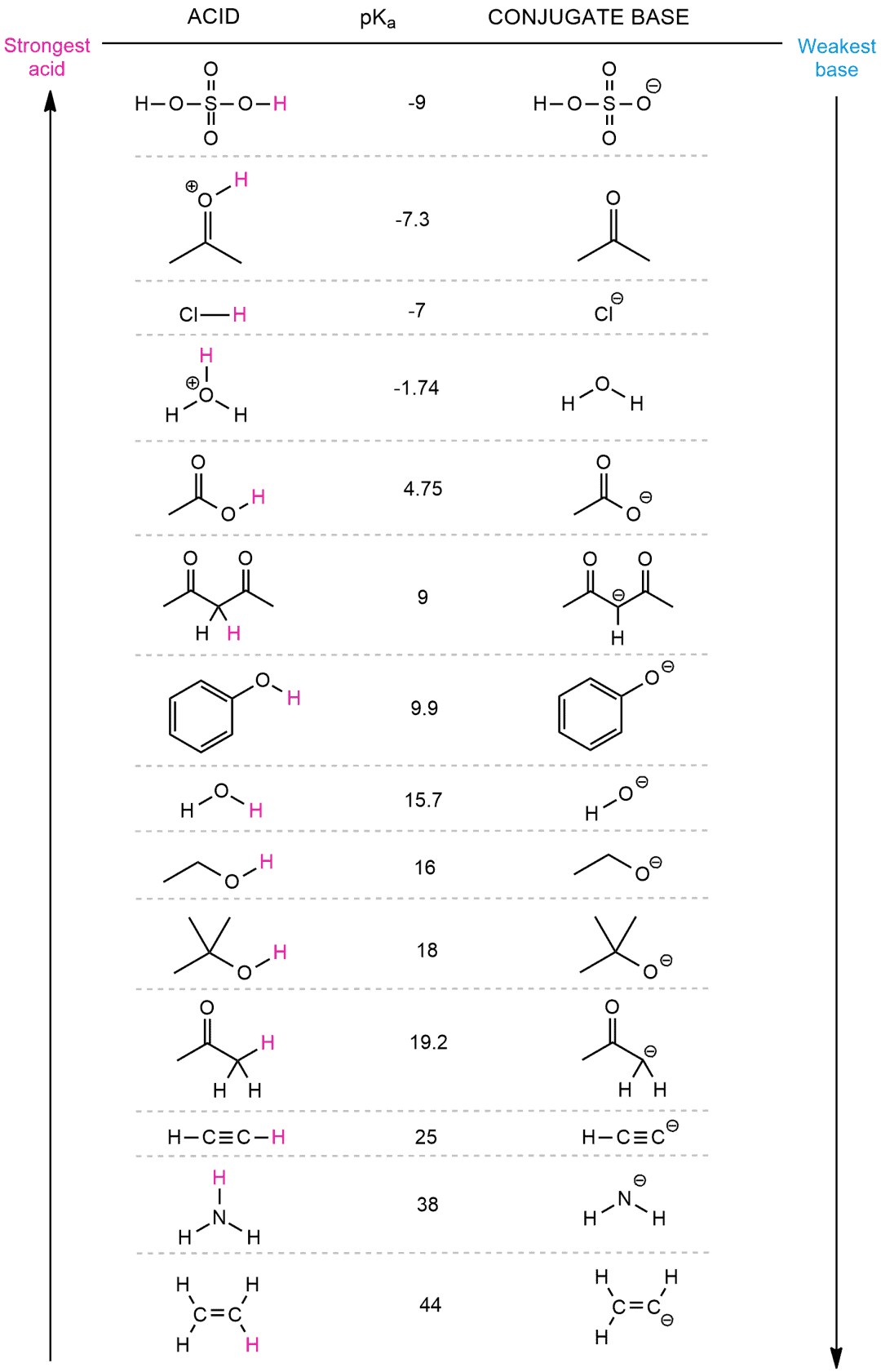
pKa is the negative base-ten logarithm of an acid dissociation constant: pKa = −log₁₀Ka. Under comparable conditions, a lower pKa corresponds to a larger Ka and a stronger acid for the dissociation being described.
Meaning and context
The comparison requires attention to solvent, temperature, and which proton is dissociating. A polyprotic acid can have several pKa values. A single number without those details may not be suitable for every comparison.
Examples and usage
If Ka = 10⁻⁵, then pKa = 5. If another comparable dissociation has Ka = 10⁻³, its pKa is 3 and its Ka is larger. The logarithmic scale compresses differences in the equilibrium constant.
What to check
pKa is not the same as pH. pH describes a solution’s acidity under its actual conditions, while pKa describes an equilibrium property for a specified acid system. Concentration and other components also affect a solution’s pH.
Explore more: Chemistry and Elements
