How do you identify outliers
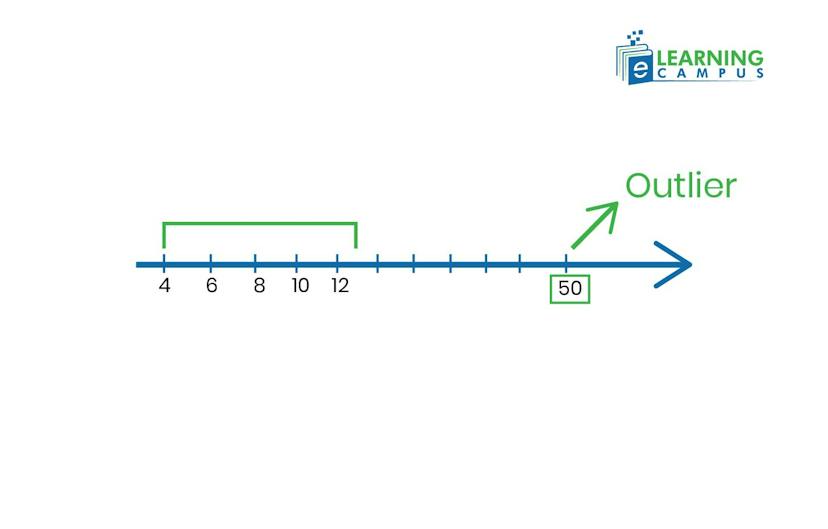
An outlier is an observation unusually far from the rest of a dataset under a chosen method or model. It is a signal to investigate, not automatic proof of an error. The distribution and purpose of the analysis matter.
Meaning and context
One common screening method uses the interquartile range, IQR = Q3 − Q1. Values below Q1 − 1.5×IQR or above Q3 + 1.5×IQR are flagged as possible outliers. Quartile conventions can differ between tools.
Examples and usage
If Q1 = 10 and Q3 = 18, the IQR is eight. The screening fences are −2 and 30. A value of 35 lies beyond the upper fence, so this rule flags it for investigation.
What to check
Check data entry, units, measurement conditions, and whether the value represents a real unusual event. Do not delete observations merely to improve a result. Record the screening method and any exclusion decision so that another analyst can understand what changed.
Explore more: Math and Measurement
