Chief diplomat responsibilities
The president is often described as the nation’s chief diplomat because the executive branch leads many interactions with foreign governments. The president appoints ambassadors, receives foreign representatives, negotiates treaties, and directs foreign policy within constitutional and legal limits.
Historical context
Treaties require the Senate’s advice and consent by a two-thirds vote of senators present. The president can also make some executive agreements, though their authority and limits depend on law and context.
Example and significance
Diplomacy involves the president, the State Department, ambassadors, Congress, and other agencies. Major foreign policy decisions often require cooperation across branches.
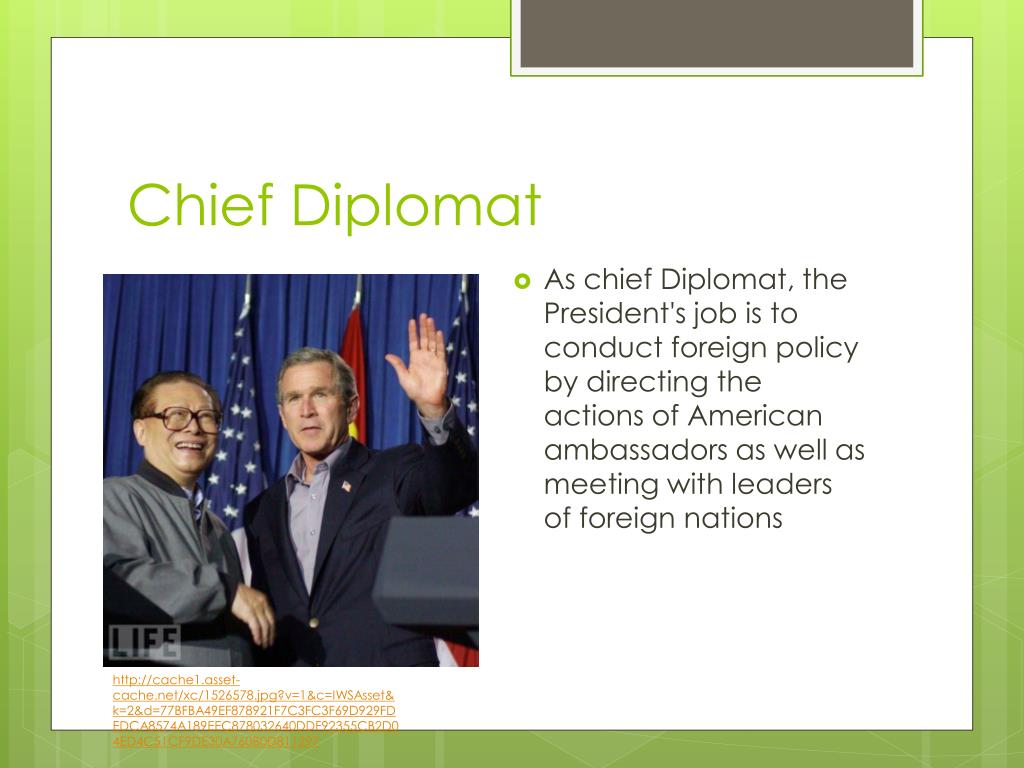
How diplomatic authority works
Ambassadors represent the United States abroad after appointment and Senate confirmation. The president also receives ambassadors, a power connected to formal recognition of foreign governments. Daily diplomatic work is carried out by career officials and missions, not by the president alone.
Interpretive limits
“Chief diplomat” is a civics shorthand, not a claim that the president acts without checks. Constitutional powers, statutes, appropriations, and international obligations shape what the executive can do.
Explore the parent hub: History, Civics and Military Reference
