Why do we need checks and balances
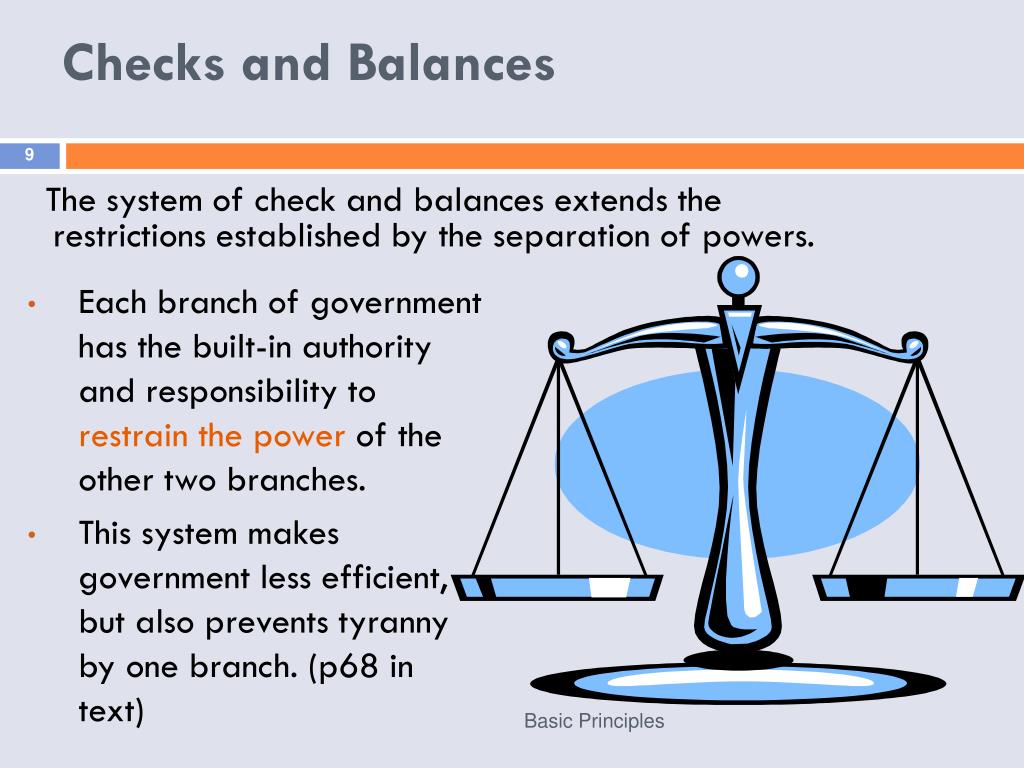
Checks and balances are powers that allow each branch of the U.S. federal government to limit or review actions by the others. The system aims to prevent one branch from exercising unchecked authority.
Historical context
The Constitution divides powers among Congress, the president, and the courts. Examples include presidential vetoes, congressional oversight and impeachment, Senate confirmation of appointments, and judicial review.
Example and significance
A bill passed by Congress can be vetoed by the president, while Congress may override a veto with the required supermajority. Courts may review whether government actions comply with the Constitution.
The design behind the system
The Constitution both separates powers and gives branches overlapping tools. Federalist No. 51 defended this structure as a way for institutions to restrain one another. In practice, checks depend on officials using their powers and on courts interpreting constitutional boundaries.
Interpretive limits
Checks and balances can slow decisions and lead to conflict. Their operation depends on constitutional rules, laws, institutions, and political practice.
Explore the parent hub: History, Civics and Military Reference
