Define inversion mutation
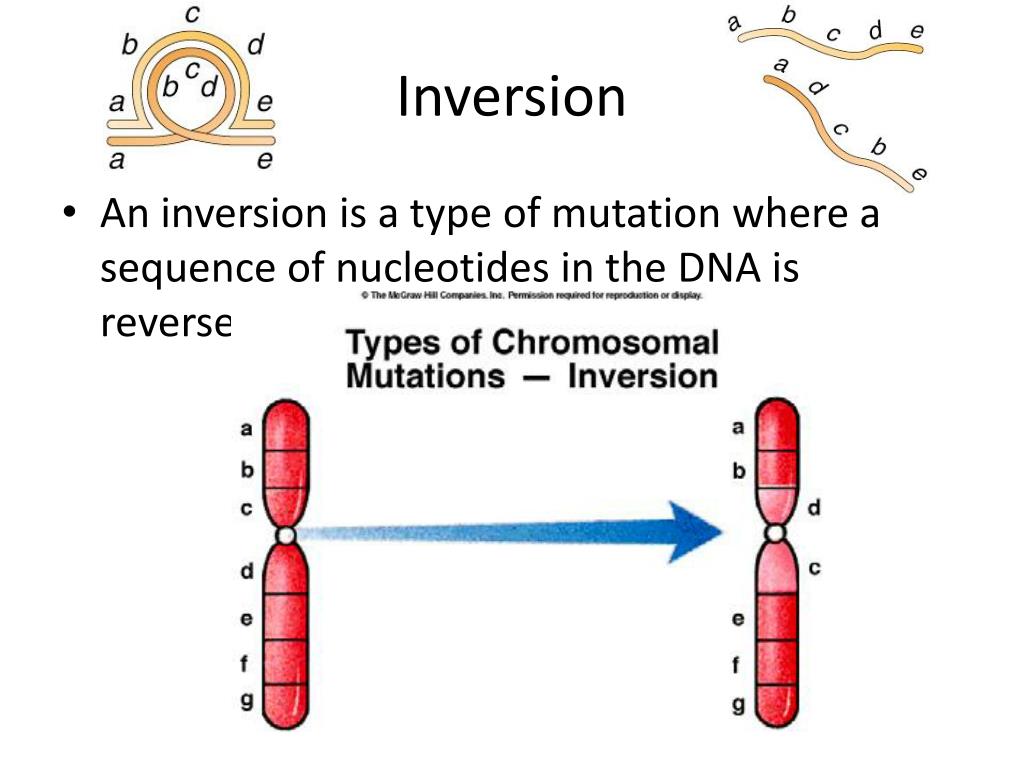
An inversion mutation is a chromosome rearrangement in which a segment breaks, turns around, and reinserts in the opposite orientation. The segment’s DNA order is reversed relative to the surrounding chromosome.
How it works
An inversion can be paracentric, which does not include the chromosome’s centromere, or pericentric, which includes it. Consequences depend on breakpoints, genes involved, and whether chromosome pairing and recombination are affected.
Example or application
If a segment originally reads A-B-C-D-E, inversion of B-C can produce A-C-B-D-E. This illustrates the change in order, but not the biological outcome of any real rearrangement.
Scope and limits
Some inversions have no obvious effect; others can disrupt genes or influence fertility. A definition does not determine clinical significance, which requires specific genetic and medical evaluation.
Explore the parent hub: Biology and Ecology
