Dihybrid cross explained
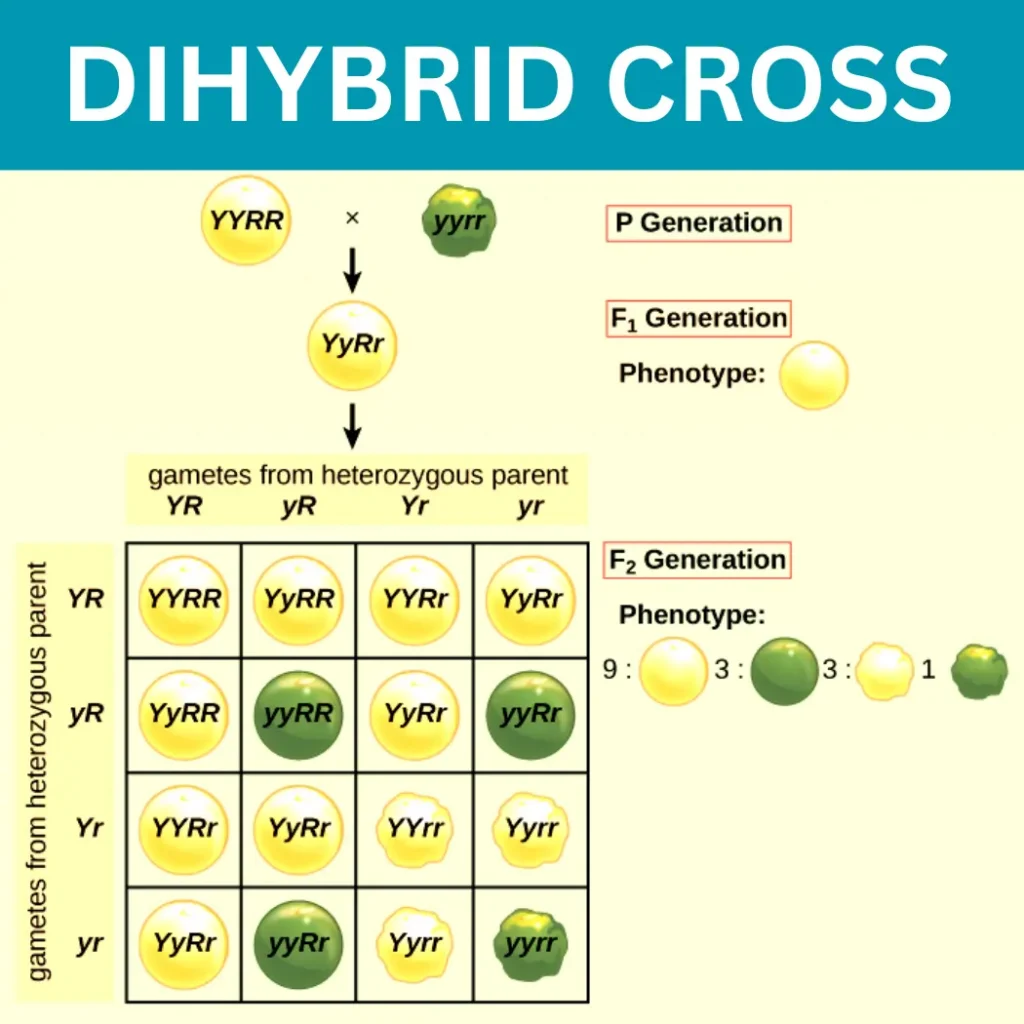
A dihybrid cross tracks the inheritance of two traits at once. In the classic classroom example, two heterozygous parents are crossed for genes that assort independently, producing a 9:3:3:1 phenotype ratio in the offspring.
How it works
That ratio follows from four equally likely gamete types from each parent: AB, Ab, aB, and ab. A 4-by-4 Punnett square lays out the 16 combinations. The ratio is a prediction under a specific model, not a guaranteed count in a small family or sample.
Example or application
For traits represented by A/a and B/b, AaBb × AaBb is the standard example. The result can be grouped by dominant and recessive phenotypes when each gene has complete dominance.
Scope and limits
The familiar ratio depends on assumptions: independent assortment, complete dominance, equal viability, and no relevant environmental effect. Linked genes or other inheritance patterns can produce different outcomes.
Explore the parent hub: Biology and Ecology
